About Breed
German Shepherd Dog: Temperament, Bloodlines & Puppy Care
German Shepherd Dog: Temperament, Bloodlines & Puppy Care
Jul 15, 2025
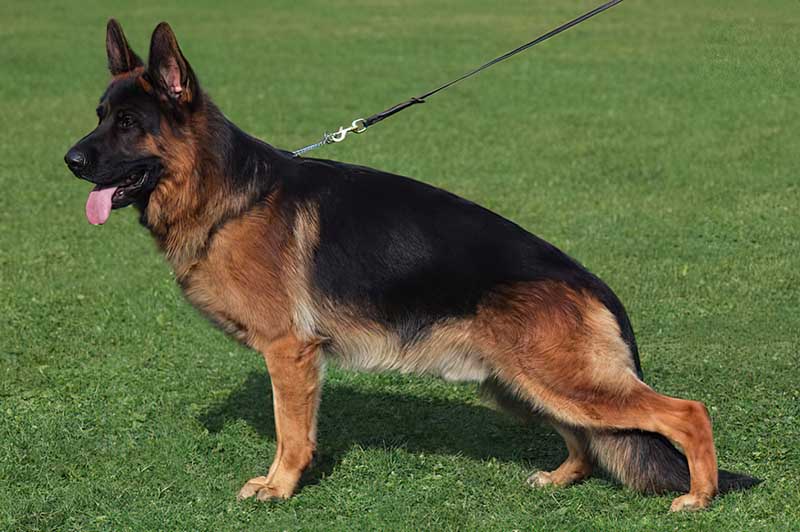
The German Shepherd Dog is an intelligent, active companion with a long working heritage. Choosing one means looking beyond appearance: temperament, health, daily exercise, and the individual puppy's needs all matter.
At Vom Chimonis Haus, our program includes West German show-line dogs. This guide explains the breed's herding origins, the differences between show and working lines, and the practical work of raising a puppy. Examples from our German Shepherds show how pedigrees, working titles, and individual temperament fit together.
Interested in bringing home a German Shepherd puppy? Browse available puppies or apply now to get priority access.
Interested in bringing home a German Shepherd puppy? Browse available puppies or apply now to get priority access.
German Shepherd history and development
The German Shepherd developed from Germany's herding dogs. Max von Stephanitz helped standardize the breed around a practical goal: a capable dog with the intelligence and temperament to work alongside people. Hektor Linksrhein, renamed Horand von Grafrath, became the first registered German Shepherd Dog.
Herding came first. Police, military, guide, and search-and-rescue roles developed later. That working heritage helps explain why a German Shepherd needs both physical activity and opportunities to learn.
American show lines, West German show lines, and working lines
These are breeding populations within the same breed, not separate breeds or guarantees of personality. Breeders select for different goals, and there is variation within every line.
American show lines: breeding commonly emphasizes conformation and movement for the American show ring. Evaluate the individual breeder's health testing and temperament priorities rather than assuming all dogs share the same behavior.
West German show lines: breeding emphasizes breed type and conformation within the German show tradition, often alongside working qualifications and SV evaluation. A show-line dog can also have working titles and substantial drive.
Working lines: breeding emphasizes performance in work or sport. The demands of a particular litter can vary considerably; ask what the parents do and what daily life with their offspring is likely to involve.
It is misleading to say German dogs are always larger, American dogs are more stubborn, or one line is automatically smarter. Ask about the actual parents, their health records, their behavior outside training, and how the breeder evaluates puppies.
Our male Kastro placed SG34 at the BSZS in Germany and holds an IGP 1 title and the SV breed survey. Zazu placed SG12 at BSZS 2025 and holds IGP 1 and KKL 1. Selina is V-rated at the BSZS, titled to IGP 3, and breed surveyed for life. These are individual accomplishments, not promises about every puppy.
German Shepherd temperament and life with other dogs
A sound German Shepherd should be confident and able to cope with everyday situations. Many form close bonds with their families and can be reserved with strangers. Genetics, early experience, training, and management all contribute to adult behavior.
Our male Kastro is an example of friendliness with other dogs. That describes Kastro as an individual; it does not mean every German Shepherd will enjoy unfamiliar dogs. Introductions should be gradual and supervised, and children should always be supervised around dogs.
Socialization should help a puppy feel comfortable and respond calmly. It does not require greeting every person or dog. Reward relaxed behavior and give your puppy enough distance when an experience feels overwhelming.
Drive and working ability
Drive describes a dog's motivation for activities such as chasing, searching, playing, or working with a handler. A good family match depends on how that motivation fits your daily routine, including the dog's ability to settle after activity.
IGP is a sport with tracking, obedience, and protection phases. A working title records performance under test conditions; it does not replace observing a dog in everyday life.
Arrow is sired by VA1 Usher aus der Brunnenstraße and out of our IGP 3, V-rated Selina. His pedigree is useful context when discussing his development, but each dog still needs individual evaluation and training.
Health screening and longevity
When choosing a puppy, ask to see the parents' documented hip and elbow evaluations and discuss relevant inherited health concerns with the breeder. For dogs evaluated through the SV system, ask for their actual SV records and breed-survey documentation. A working title or show placement alone is not a health result.
Screening helps inform breeding decisions but cannot guarantee that a puppy will never develop a health problem. Veterinary care, appropriate nutrition, body condition, and suitable exercise remain important throughout life. Lifespan varies, so plan for the commitment of caring for both an active young dog and an older companion.
Exercise and mental stimulation
Plan for daily walks, play, and short training sessions. The right amount depends on age, fitness, health, weather, and the individual dog. An active adult may need much more activity than a quiet walk, while a growing puppy needs a different routine.
Include sniffing, simple searches, reward-based obedience, and time to rest. Build activity gradually. Ask your veterinarian about appropriate exercise before sustained running or repeated jumping with a growing puppy.
Shedding and grooming
German Shepherds have a double coat and shed throughout the year, often more heavily during seasonal coat changes. Regular brushing helps remove loose undercoat and gives you a chance to check the skin.
Brush at least weekly and more often during heavy shedding. Keep up with nail, dental, and ear care. Grooming can manage loose hair, but it will not eliminate shedding.
Is a German Shepherd right for your family?
A German Shepherd needs daily attention, training, and a household prepared for a large, active dog. A yard can be useful, but it does not replace walks, learning, or time with people.
Think about your schedule, other pets, children, and experience before choosing a puppy. Discuss those details with the breeder. The aim is a suitable individual match, rather than choosing by color, pedigree, or show results alone.
Now Accepting Puppy Applications
Now Accepting Puppy Applications
Now Accepting Puppy Applications
Get early access to upcoming litters and expert guidance selecting the right pup.
Bringing home a German Shepherd puppy
Prepare your home
Before your puppy comes home, prepare a safe place to rest and room to move. German Shepherds grow into large, active dogs. Check fences and gates for gaps a puppy could slip through.
Put chemicals, medications, and cleaning supplies out of reach and secure trash bins. Have food and water bowls, a collar and leash, suitable toys, treats, and a crate ready. Introduce the crate gradually and positively.
Potty training
Choose a designated bathroom area and take your puppy there frequently, especially after eating, drinking, playing, and waking up. Reward them promptly with praise and a treat when they go in the right place.
Accidents will happen. Clean them with an enzymatic cleaner made for pet stains so that lingering scent does not draw your puppy back to the same spot. Stay patient and keep a consistent routine. Progress varies with age and the individual puppy; do not expect a young puppy to hold it for long periods.
Socialization
Give your puppy short, positive experiences with different people, places, sights, and sounds. The goal is calm confidence, not greeting every person or dog. Keep experiences manageable and allow distance when your puppy seems overwhelmed.
Introduce different people calmly, with close supervision around children.
Explore suitable new places in short sessions.
Discuss a suitable puppy class and safe outings with your veterinarian.
Introduce household pets gradually and supervise their interactions.
Reward relaxed behavior and keep sessions short and positive.
Food and healthy growth
Choose food formulated for growing puppies and discuss an appropriate diet, portions, and meal schedule with your veterinarian. Young puppies need several meals a day; adjust the routine as they grow. Keep an eye on body condition and avoid overfeeding.
Use a little of the daily food allowance for short training sessions. You can reward a brief sit before putting down the bowl, then let your puppy eat undisturbed. Ask your veterinarian about any individual dietary needs.
Basic training: sit, stay, and fetch
Begin with short, positive sessions and reward small successes. Keep expectations appropriate to your puppy's age and attention span.
Sit: Hold a treat near your puppy's nose and move it gently upward and back. When their bottom touches the ground, praise and reward. Keep practice brief and avoid pushing the puppy into position.
Stay: Ask for a sit, introduce the cue, and reward a moment of stillness. Gradually add time and distance. If your puppy moves, calmly reset and make the next attempt easier.
Fetch: Offer a suitable toy and toss it a short distance. Encourage your puppy to return and trade the toy for a treat. Keep it playful and finish before your puppy loses interest.
Choosing a German Shepherd puppy
Ask a breeder how the parents are health tested, what titles or evaluations they hold, how the puppies are raised, and how puppies are matched to homes. Ask to see the relevant records and discuss your household, experience, and daily routine.
Explore our German Shepherds to learn about the dogs in the Vom Chimonis Haus program. Talk with us about the temperament and needs of the individual puppy you are considering. The aim is a suitable match for your home and a commitment to the dog's care throughout life.
Ready to Welcome a Puppy?
Ready to Welcome a Puppy?
We’re currently accepting applications for our next litters.
We’re currently accepting applications for our next litters.